LIFE
Starting again isn't starting from zero.
Returning after a gap or a big change can feel like beginning all over again.
MIND
You start on Monday. You feel motivated. You make a plan. Maybe you even imagine how different things could feel a few months from now. Then Thursday becomes busy. Friday disappears. The weekend becomes complicated. Someone needs you. Work takes longer than expected. You are tired. Your routine slips. And suddenly, the thought changes. I need to start again. Sometimes that sentence becomes: I always have to start again. But what if starting again isn't evidence that you failed? What if returning is part of consistency?
60 SECOND UNDERSTANDING
Consistency is often imagined as doing the same thing without interruption. Real life rarely works that way. There will be busy weeks, difficult days, changes in routine and times when movement has to take a smaller place in your life. That doesn't erase what came before. A missed session doesn't undo your effort. A difficult month doesn't mean you are back at the beginning. The goal isn't to build a routine that never breaks. It is to build a relationship with movement that makes coming back possible.

Fitness can make consistency look very simple.
Show up.
Follow the plan.
Don't miss a day.
Repeat.
It sounds reassuring because it gives us a clear measure.
But a woman's life doesn't always follow a clear measure.
There are weeks when work demands more.
There are periods when your energy changes.
There are responsibilities at home.
There are journeys, celebrations, difficult days and unexpected things you could never have planned for.
A routine that only works when everything else is going perfectly is not necessarily a routine that fits your life.
Sometimes consistency needs flexibility.
There is a difference between giving up and being interrupted.
You may stop because you have decided movement no longer matters to you.
Or you may stop because life asked something else of you for a while.
Those are not always the same thing.
You don't need to turn every interruption into a judgement about yourself.
Instead, notice what happened.
What changed?
What became difficult?
What would make returning easier?
Sometimes the answer is a smaller session.
Sometimes it is changing the time you train.
Sometimes it is asking for support.
Sometimes it is simply accepting that this week looks different.
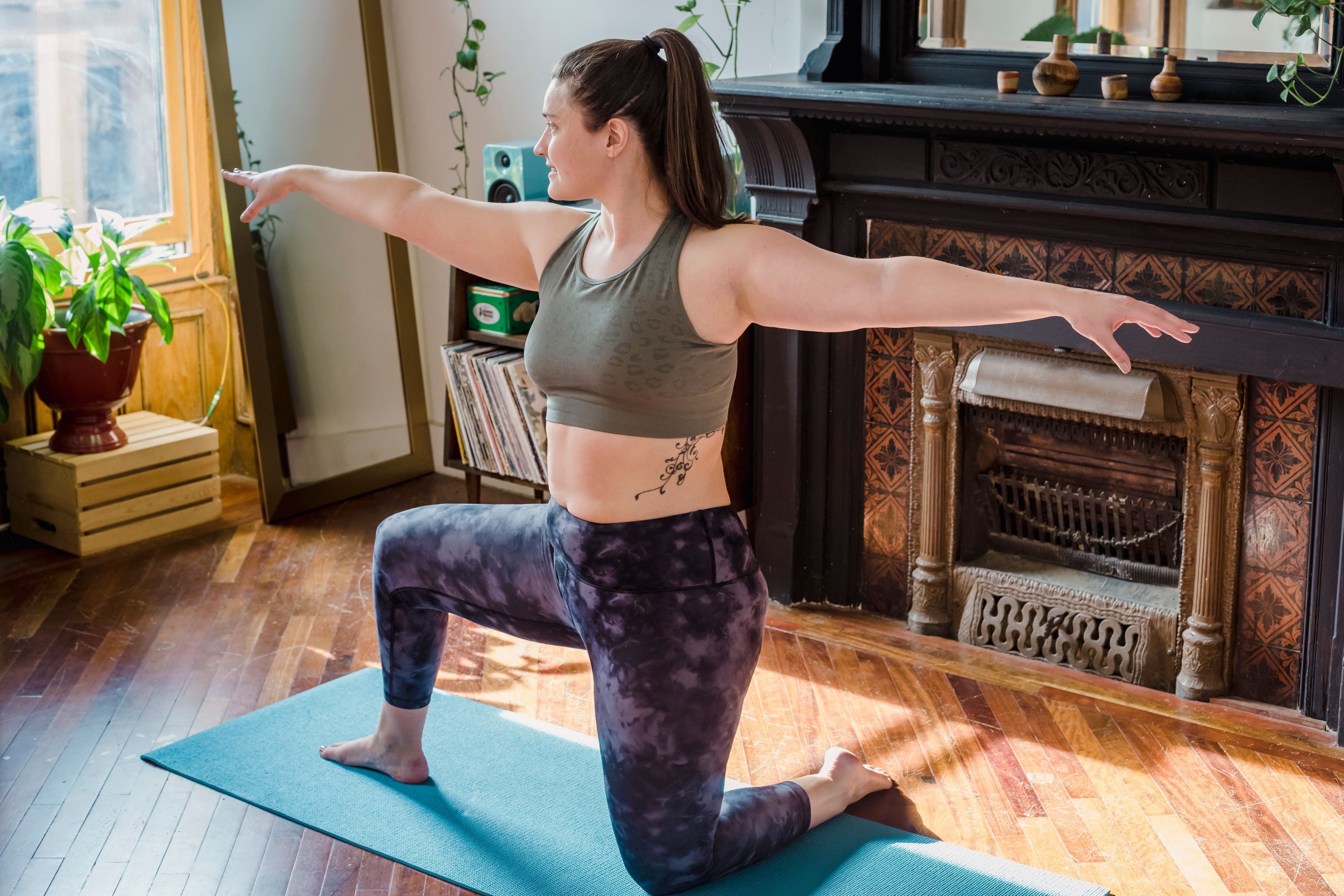
Instead of building a routine around your best days, build one that can survive your ordinary ones.
Know what your smallest version of movement looks like.
Know where you can return.
Know what you can do when time is limited.
And most importantly, remove the punishment from coming back.
You don't need to make up for the sessions you missed.
You don't need to start from zero.
You simply return.
Then you continue from there.
This piece shares VEYNIA's perspective and is an introduction only. It is not medical advice.
At VEYNIA, we don't measure your relationship with movement by how perfectly you followed a plan. We believe movement should have enough room for real life. Some seasons may ask more from you. Some may ask less. Your body may change. Your priorities may change. Your energy may change. Your movement can change with them. What matters is finding a way of moving that can stay with you through life. And when you step away for a while, knowing that you can always come back.
Think about the last time you stopped moving regularly. Instead of asking: Why couldn't I stay consistent? Ask: What made it difficult to continue? Then ask one more question: What would make returning easier this time? Your answer might be smaller sessions. A different time of day. More support. Less pressure. Or simply giving yourself permission to begin again without punishment.
Consistency doesn't mean never stopping. It means knowing how to return.
VEYNIA BALANCE is built around movement, recovery and sustainable routines.
LIFE
Returning after a gap or a big change can feel like beginning all over again.
MOVEMENT
Starting can feel harder than the movement itself. You do not need to become fit before you begin.
MOVEMENT
Strength can be measured in many ways.