MOVEMENT
Strength is more than what you can lift.
Strength can be measured in many ways.
MOVEMENT
What if your workout wasn't something you simply did to your body? What if it was a conversation with it? You notice how you feel before you begin. You notice how a movement feels. You notice when something feels strong. You notice when something feels unfamiliar. You notice when your energy changes. And instead of ignoring those signals, you let them inform what you do next. For many of us, exercise has been taught as something to complete. Follow the plan. Finish the workout. Push through. Do more. But your body is not a checklist. It is giving you information all the time. The question is whether you have learned how to listen.
60 SECOND UNDERSTANDING
Your body can tell you many things while you move. A movement may feel stable. Another may feel unfamiliar. You may feel ready to challenge yourself. You may realise you need more recovery. You may discover that something you used to enjoy no longer feels right. Listening does not mean avoiding effort. It means paying attention to the difference between challenge and discomfort, effort and exhaustion, unfamiliarity and something that needs professional attention. The more aware you become, the more information you have to make thoughtful choices about movement.
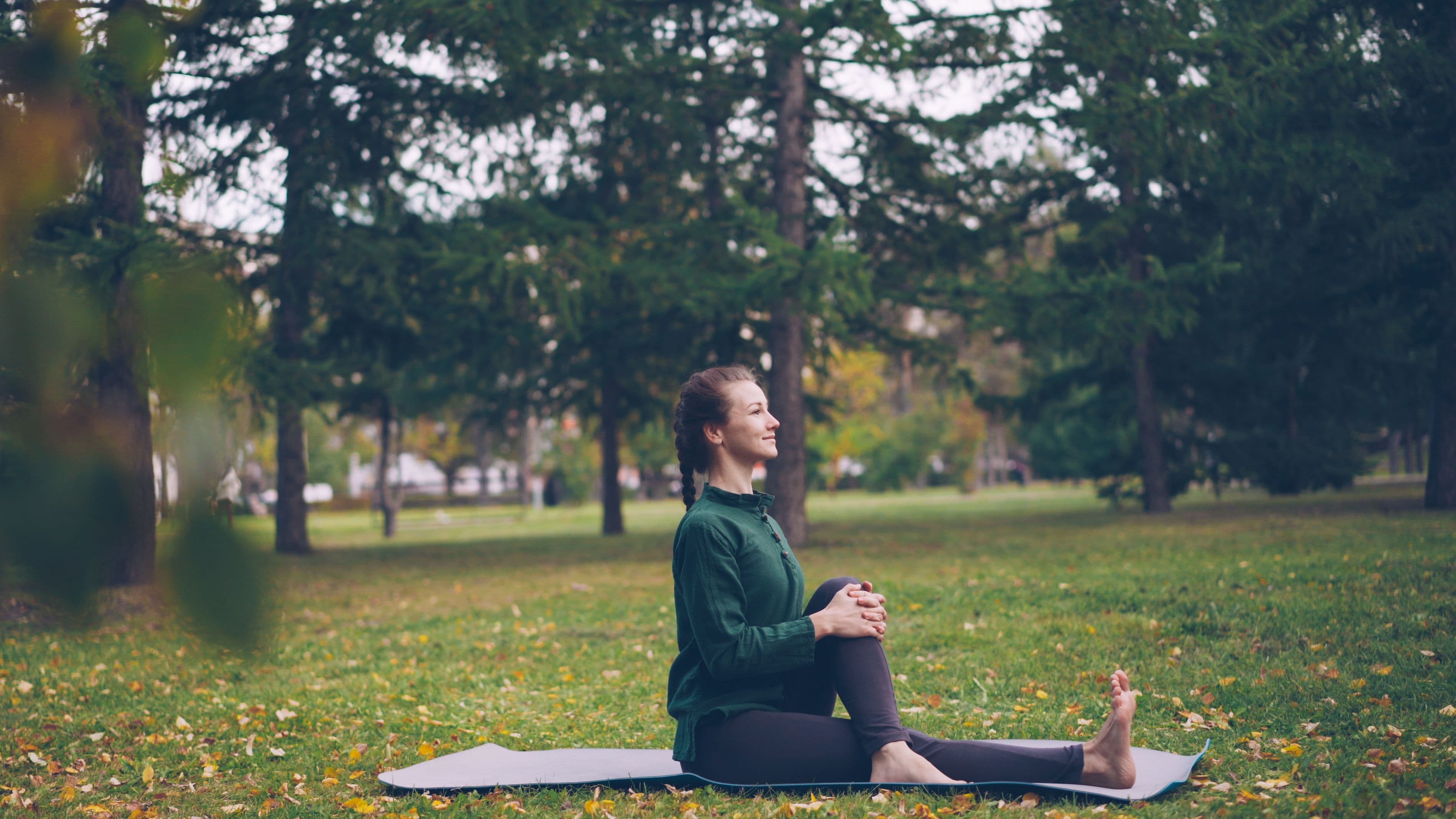
Every movement gives you information.
How stable did that position feel?
Did the movement feel familiar?
Did you feel stronger than last time?
Did you need more time to recover?
Did something feel different today?
These observations don't need to become complicated.
You don't need to analyse every sensation.
You simply need to become more present.
Awareness gives you information that a workout plan alone cannot provide.
Progress often requires effort.
Your muscles may work hard.
Your breathing may become heavier.
You may feel challenged by something that was once difficult.
That is part of becoming stronger.
But not every uncomfortable sensation should be treated as something to push through.
Learning the difference takes time.
Sometimes you need to adapt the movement.
Sometimes you need more recovery.
And sometimes a persistent or concerning symptom deserves attention from an appropriate healthcare professional.
Listening to your body is not about avoiding challenge.
It is about knowing when to respond.
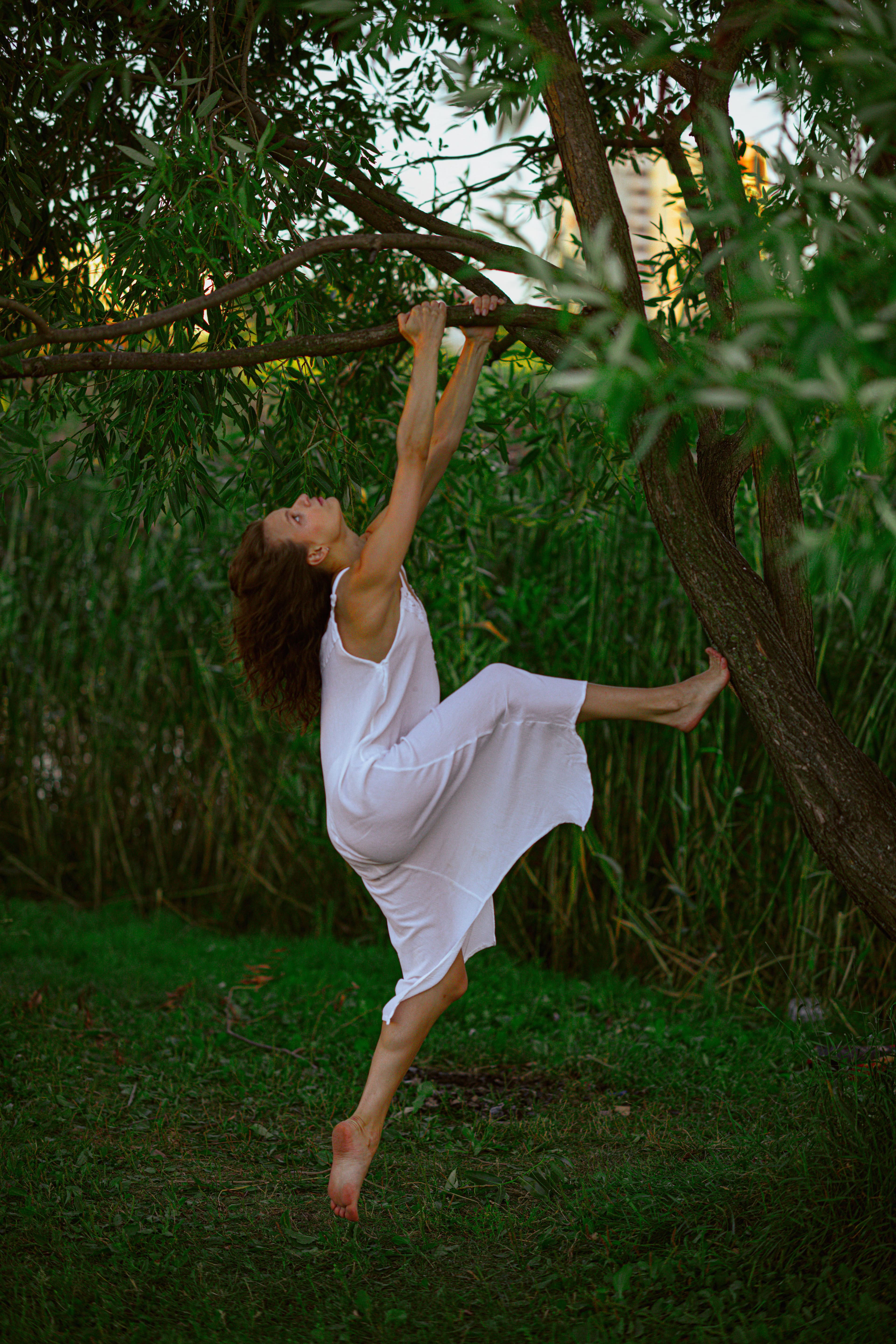
There may be days when you are ready to challenge yourself.
There may be days when you need more space.
There may be days when changing the movement makes more sense than forcing yourself through it.
That does not make the easier choice less valuable.
A thoughtful approach to movement asks a different question.
Not:
How much can I force myself to do?
But:
What kind of movement makes sense for me today?
The answer can change.
And that is okay.
This piece shares VEYNIA's perspective and is an introduction only. It is not medical advice.
At VEYNIA, we believe movement should create a stronger relationship with your body, not a more distant one. The goal is not to become afraid of effort. It is not to avoid challenge. It is to become more aware. To understand how you move. To notice what changes. To adapt when you need to. To challenge yourself when you are ready. And to recognise when something deserves more attention. Because movement becomes more meaningful when you are not simply moving your body. You are learning from it.
Before your next workout, take one minute before you begin. Ask yourself: How does my body feel today? How is my energy? What feels possible? During the session, notice one movement that feels particularly good and one that feels different. You don't need to change everything. Simply notice. Afterwards, ask: What did my body tell me today? Over time, these small observations can help you understand your own patterns.
Your body is not something to overcome. It is something to understand.
VEYNIA FORM helps you build strength, mobility and confidence through a more connected approach to movement.
MOVEMENT
Strength can be measured in many ways.
BODY
Some days you feel strong. Some days you need more space. Learning to notice the difference can change the way you move.
MIND
You will have days when movement fits easily into your life and days when it doesn't. Consistency is learning how to return.